Do Ebikes Need Insurance UK? Legal Answer vs Practical Cover
Do ebikes need insurance in the UK? Legally, a compliant EAPC usually does not. Practically, many owners still need specialist cover once theft, batteries, and home limits show up.
By Tom Brennan
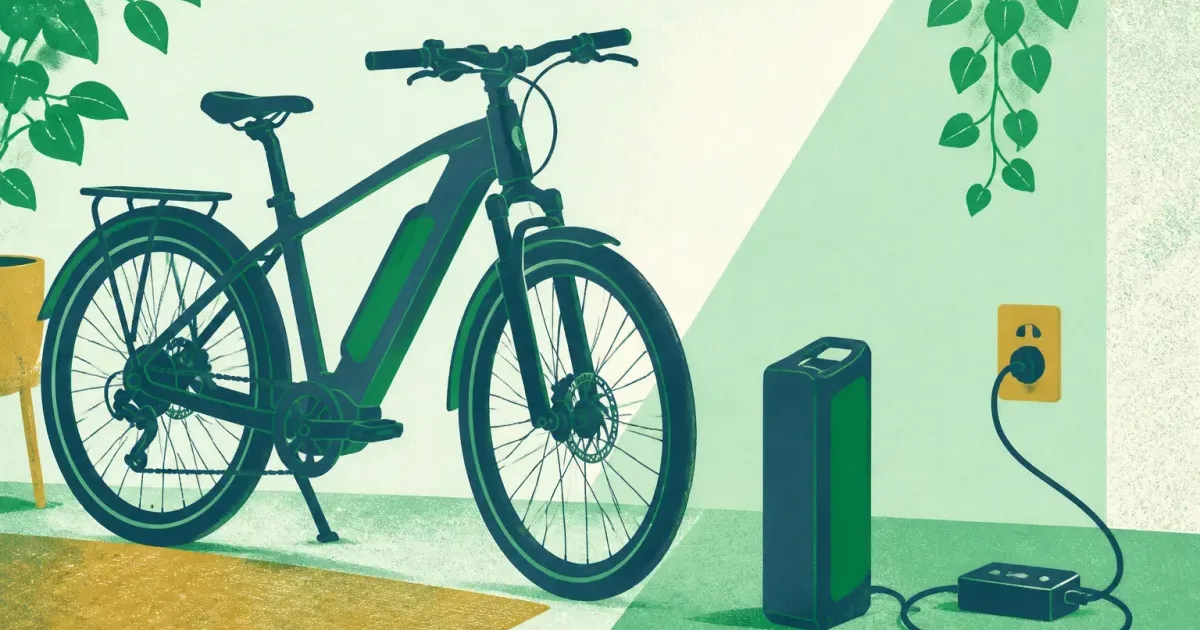
The short answer: Do ebikes need insurance in the UK? A compliant electrically assisted pedal cycle does not need motorbike insurance by law. Many riders still need specialist cover in practice, because home contents limits, battery wording, and overnight storage leave expensive gaps.
People typing do ebikes need insurance want a clear yes or no. The legal answer for a true UK EAPC is no. The practical answer depends on replacement value, battery wording, and where the bike sleeps overnight.
This page is only that decision filter. It is not a full product comparison. Once you decide you need cover, move to electric bike insurance for battery, motor, and theft wording. For the wider pedal overview, start with bicycle insurance.
This guide is about pedal-assisted e-bikes, not motorbikes or scooters. If a machine needs a registration plate and motorcycle insurance, you are outside Pedly's pedal-cycle scope.
Stay here for yes-or-no; leave for product detail
Search results for "e bike insurance" and "ebike insurance" sometimes land on this page because riders are still deciding whether they need anything at all. Stay here for that filter. Switch to the electric bike insurance guide when you are comparing schedules.
If the bike is an electric mountain or trail machine, finish this yes-or-no first, then read electric mountain bike insurance for trail use, battery risk, and enduro-style parking. Electric cargo haulers follow the same path: this page for the decision, then electric cargo bike insurance for box and school-run detail.
If a quote form asks for a motorcycle registration, you have left the EAPC path. Come back to the class check below before you buy anything.
Legal need vs practical need
UK law treats a compliant EAPC as a pedal cycle. Continuous rated power is generally capped at 250 watts, and motor assistance cuts out at 15.5mph. Stay inside those limits and you are not required to hold motorcycle-style insurance to ride on the road.
That is the legal answer. The practical answer is different. E-bikes often cost more than analogue bikes, batteries are theft targets, and home contents single-item limits frequently sit below replacement cost.
So when people ask "do ebikes need insurance", they usually mean "will I regret relying on home cover or no cover after a theft?". For many UK owners, yes.
EAPC class is the first filter
Before you compare any policy, confirm the bike is still an electrically assisted pedal cycle under UK rules. Manufacturer specs for continuous power and assistance cutoff matter more than marketing labels.
Derestricted motors, aftermarket tuning kits, and some imported models can push a machine outside EAPC limits. If that happens, a cycle insurance product written for pedal bikes may not respond, and you may need a different class of cover entirely.
Insurers generally care about what the bike is capable of, not only how carefully you ride it. Ask the insurer in writing which class they consider the bike, and keep that confirmation with your documents.
Where home contents cover usually fails e-bikes
Home insurance sometimes includes bikes as contents, but the gaps are sharper for e-bikes than for cheap hybrids. Single-article limits struggle with frame-plus-battery values. Away-from-home overnight rules struggle with workplace parking and weekend travel.
Battery wording is often vague on household schedules. A stolen battery left charging indoors may sit under contents; a battery stolen with the bike outdoors may sit under a different limit or exclusion. See does home insurance cover bikes for the general household gaps.
If the only reason you are delaying specialist cover is "home insurance should catch it", read the schedule PDF against your actual e-bike value before you trust that assumption.
What specialist cover usually adds
Dedicated electric bike insurance (or a cycle policy that explicitly accepts e-bikes) is usually clearer on theft, accidental damage, and electrical components. Some policies cover batteries only when attached, only when listed, or only up to a sub-limit.
Motors, controllers, and chargers need the same scrutiny. Crash damage that cracks a motor housing is a different claim from gradual battery wear, which is almost always excluded as wear and tear.
Premium drivers for e-bikes include declared value, overnight storage, postcode theft risk, and whether you commute daily. For cost framing without invented prices, see electric bike insurance cost.
Commuting, Cycle to Work, and shared storage
Commuters ask "do ebikes need insurance" more often because the bike leaves home every day. Station racks, workplace stores, and communal flat hangars are exactly where household away-from-home wording gets thin.
Cycle to Work helps with purchase cost. It does not automatically replace theft or damage insurance. Check the hire agreement and any employer guidance, then compare specialist cover if the bike's value and storage pattern need it. Our cycle to work insurance guide separates scheme rules from cover rules.
Communal stores and shared hallways deserve a specific check on both home and specialist policies. Forced-entry requirements and lock standards still apply.
Liability and personal accident extras
Some riders mainly want third-party liability if they injure someone while riding. Club membership sometimes includes a basic liability benefit. Personal accident extras are separate again and should not be confused with bike theft cover.
If liability is your main gap, compare that section carefully rather than buying the most expensive bike-value package by default. The bike, the rider, and third parties are three different insurance questions that sometimes share a schedule and sometimes do not.
A simple decision checklist
- Confirm the bike is a UK EAPC, not a derestricted or motorcycle-class machine.
- Compare replacement value with your home single-item limit.
- Check overnight away-from-home and workplace storage rules.
- Check battery and motor wording explicitly.
- If any step fails, compare specialist electric bike cover.
You do not need cover for every low-value leisure e-bike kept indoors. You do need an honest reading of documents once the bike is expensive, battery-dependent, or regularly stored away from home.
Theft patterns that make e-bike cover feel necessary
E-bikes attract thieves because resale value is high and batteries can be sold separately. Secure overnight storage matters more than for a cheap hybrid, especially in flats with shared stores.
Detachable batteries create a second loss scenario. Some riders remove the battery when parking; others leave it locked to the bike. Check which approach your policy prefers before you invent a habit that hurts a claim.
GPS trackers and registration schemes help recovery and evidence. They do not replace Sold Secure lock requirements on most specialist schedules.
Accidental damage, water, and warranty overlap
Crash damage to a motor housing or controller is usually an insurance question where accidental damage is included. Gradual range loss from normal charging cycles is wear and tear, not a claim.
Water ingress from deep flooding may be scrutinised differently from normal wet commuting. Manufacturer guidance on water resistance sometimes appears in claim discussions.
A cracked frame or failed battery that looks like a manufacturing defect may belong with the warranty process first. Rule that out before opening an insurance claim that could affect future premiums.
Declared value for bike, battery, and charger
When you decide do ebikes need insurance in your case, value the complete riding setup, not only the frame. Batteries, chargers, and aftermarket displays add up quickly.
List spare batteries if you own them. An unlisted second pack stolen from a hallway is a common disappointment on both home and specialist claims.
Update the declared value when you fit a higher-capacity battery. Insurers need to know about upgrades before a loss, not after one.
Family, cargo, and shared household e-bikes
Cargo and family e-bikes push values higher still, and child seats or panniers may need separate listing. Shared households should confirm whose name is on any contents policy before relying on it.
If one person owns the e-bike but another person's name is on the home policy, specialist cover in the owner's name is often cleaner than arguing about named insureds after a theft.
Electric cargo and family haulers push this further. Values are higher and parking is more public. Treat those machines as a yes unless the contents limit genuinely clears the full setup.
When "no" is a reasonable answer
You may reasonably skip specialist cover if the e-bike is low value, kept indoors overnight in a locked home, never left at work, and fully within a contents single-item limit that you have checked in pounds.
That combination is less common than marketing suggests. Most UK e-bike owners fail at least one of those tests, which is why the practical answer to "do ebikes need insurance" is often yes even when the legal answer is no.
Soft next steps
Browse related Pedly guides on the blog, especially electric bike insurance, electric cargo bike insurance if you haul shopping or children, and does home insurance cover bikes, once you have checked your EAPC class and contents schedule.
Frequently Asked Questions
Do ebikes need insurance in the UK?
Not by law for a compliant electrically assisted pedal cycle, but many riders need cover in practice because home contents limits and battery wording leave gaps. Specialist electric bike insurance is often clearer once the bike is valuable or stored away from home.
Is insurance legally required for an EAPC e-bike?
A bike that stays within UK electrically assisted pedal cycle rules is treated as a pedal cycle, not a motorcycle, so compulsory motor insurance does not apply. Cover is still a practical decision about theft, damage, and liability.
Will home insurance cover my e-bike?
Sometimes as contents, but single-item limits and away-from-home rules often fail higher-value e-bikes. Batteries and motors may also be poorly defined on a household schedule.
What if my e-bike is faster than EAPC limits?
If the bike can assist beyond UK EAPC power or speed limits, it may no longer count as a pedal cycle. You may need registration and motorcycle-style insurance instead of cycle cover.
Does Cycle to Work change whether I need insurance?
The scheme helps with purchase cost. It does not automatically insure the bike against theft or crash damage. Check the agreement and any specialist cover separately.
Do ebikes need insurance for commuting only?
Commuters often need it more, not less, because workplace parking and overnight away-from-home storage are common home-policy gaps.
Is e-bike insurance the same question as do ebikes need insurance?
No. E-bike insurance is the product. This page is the yes-or-no decision. Once you decide you need cover, compare specialist electric bike terms for battery, motor, and EAPC class.
Do you need insurance for an electric bike kept only at home?
Only if the replacement cost sits above your contents single-item limit, or if the battery wording on the household schedule is vague. Many indoor-only owners still fail the value test.