Custom Bicycle Insurance: Cover for Non-Standard Pedal Builds
Custom bicycle insurance helps UK riders insure non-standard pedal builds. Learn how to declare value, list upgrades, and stay clear of motorcycle “custom bike” results.
By Olivia Hart
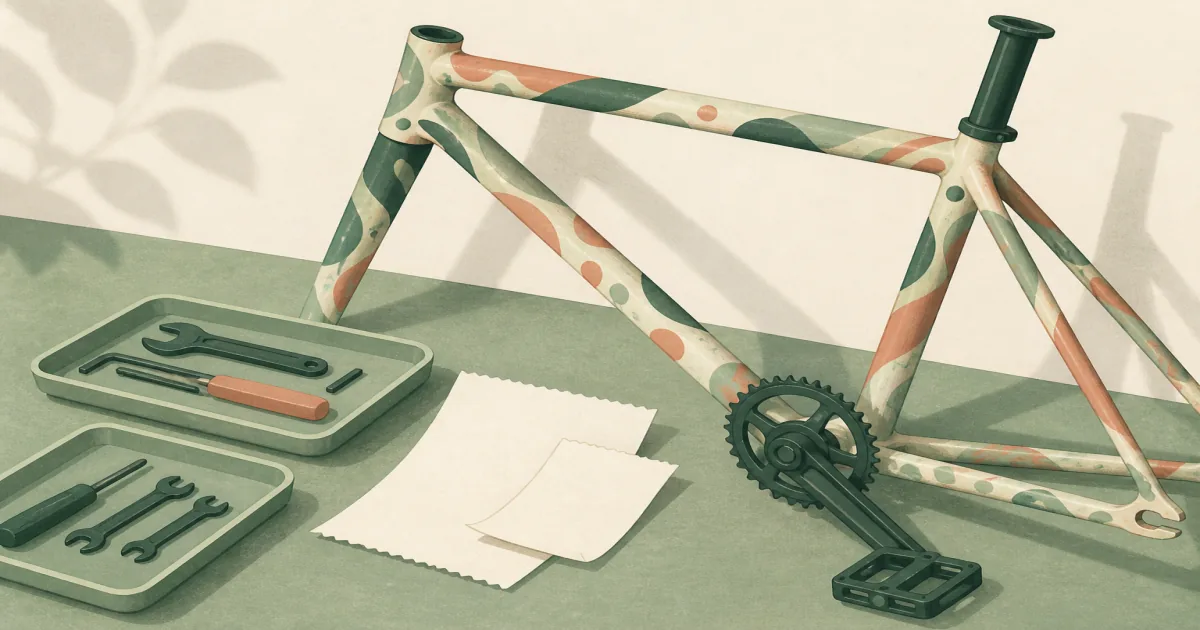
The short answer: Custom bicycle insurance is specialist pedal-cycle cover for non-standard UK builds. Declare the full replacement cost, keep proof for frame and upgrades, and ignore motorcycle “custom bike” results that ask for engine size.
People search custom bicycle insurance or custom bike insurance when the machine is no longer a factory catalogue bike. Maybe a builder painted the frame. Maybe the groupset, wheels, and cockpit came from three different shops. The insurance job is the same as any specialist cycle policy, with stricter proof.
This guide is for UK pedal cycles only. It is not motorbike insurance. UK results for “custom bike” still mix custom motorcycles with pedal builds, so open every quote journey with the words pedal, cycle, or bicycle.
If you want the wider product picture first, start with bicycle insurance and specialist bicycle insurance. This page narrows the job to non-standard builds and the paperwork they need.
What counts as a custom pedal build
A custom build is any bike where the replacement story is not “buy the same model again from the brand site.” That includes frameset-only projects, bespoke paint, mixed-brand groupsets, hand-built wheels, and heavy aftermarket upgrades on an otherwise stock frame.
It also includes bikes that look ordinary in photos but carry expensive hidden parts: power meters, ceramic bearings, or a wheelset worth more than the frame. Insurers settle against what you declared and what you can prove, not against how unique the bike looks on social media.
Vintage restorations and second-hand upgrades sit nearby. Use vintage bicycle insurance when the classic story leads, and second-hand bike insurance when used valuation is the main problem. Stay here when the build itself is the insurance risk.
Stay on the pedal path in UK search
“Custom bike insurance” is a contaminated phrase in Britain. Many results point at modified motorcycles, cafe racers, and engine-size forms. That market is outside Pedly’s scope.
Type custom bicycle insurance, custom cycle insurance, or pedal bike insurance when you compare. If a form asks for cubic capacity, a registration plate, or motorcycle licence details, stop. You have left the pedal journey.
Retailer pages and affiliate round-ups sometimes blur the same line. Your decision should come from the documents offered at purchase time, not from a one-line brand summary written for a different machine class.
Declared value is the whole bike as ridden
Guessing low on value to shrink the monthly premium is the fastest way to weaken a total-loss claim. Custom builds fail this test more often than stock bikes because owners remember the frame price and forget the parts.
Build a replacement figure for the complete bicycle as you ride it today. Include the frame, paint or finish, fork, wheels, groupset, cockpit, saddle, pedals, and any accessories you would replace together after theft.
If a builder assembled the bike, ask for a written parts list with prices or invoices. If you built it yourself, keep a simple spreadsheet with dates and suppliers. Our bicycle insurance quote checklist works well as a folder structure for that evidence.
Proof beats storytelling after a loss
Claims teams need serial numbers, receipts, and clear photos more than a build diary. Photograph the bike from both sides, the serial number, and distinctive paint or welds before you need a claim.
Keep digital copies of frame invoices, paint quotes, and component receipts in one place. Bank transfers and marketplace messages help when a part was bought second-hand.
Update the file when you swap a wheelset or add a power meter. An upgrade that never reaches the schedule is a common claim disappointment on custom builds.
How custom builds differ from stock road or mountain cover
A stock road bike insurance quote often starts from a known model year and retail price. Custom builds lack that shortcut. Underwriters lean harder on your declared value and documentation.
Paint and finishing can add cost without adding a tidy catalogue code. Some schedules treat paint as part of the frame. Others ask you to note it separately. Ask before you assume a full paint job is automatic.
Accessories and computers often sit under sub-limits. A custom endurance bike with expensive luggage and lights needs those lines checked the same way a touring rider would.
Home contents vs specialist cover for upgraded bikes
Home insurance can work for a low-value hybrid that rarely leaves a locked house. Custom builds usually fail that test on value alone. Single-item limits struggle with frameset-plus-parts totals.
Away-from-home overnight rules are the second gap. Communal stores, workplace hangars, and cafe stops are ordinary for custom road and gravel bikes. Household wording is often thin there.
Does home insurance cover bikes explains the usual household gaps. Use it alongside this page if you are deciding whether a specialist schedule is worth another document.
Theft wording still decides most claims
Lock grade, immovable-object rules, and overnight location wording matter more than whether the bike is custom. Thieves do not care that you chose the stem length carefully.
Read Sold Secure requirements and whether both wheels need securing. A custom wheelset left unlocked to the frame is a classic claim problem.
If you travel with the bike in a car or van, check transit wording. Soft bags, hard cases, and unattended vehicles are defined differently across specialist policies.
Accidental damage on non-standard parts
Crash damage to carbon frames, custom paint, and hand-built wheels can be expensive even when the bike is rideable afterwards. Confirm accidental damage while riding is included, and how repairs are authorised.
Some finishes are hard to match. Ask how insurers handle like-for-like paint or whether settlement leans on market value of the complete bike instead.
Organised events and sportives may need special wording. A custom race bike on a timed course should not rely on leisure-only assumptions.
Builder bikes, shop builds, and your name on the policy
If a shop built the bike for you, confirm whose name appears on invoices and who owns the bike on day one. Cover usually needs to sit with the legal owner.
Cycle to Work and finance agreements add another layer. Check who must insure the machine during the agreement before you assume a personal specialist policy is enough. See cycle to work insurance when hire terms are involved.
Shared household builds should avoid vague “family bike” labelling. Put the owner’s name on the schedule and list the true declared value.
Modifications after the policy starts
Custom builds change. New wheels, a different groupset, or a second bottle-cage battery mount for an e-assist conversion can move the risk.
Tell the insurer about material upgrades before a loss. Mid-term adjustments are ordinary. Surprise inventory after theft is not.
If you convert a pedal frameset into a qualifying e-bike, re-check class rules and battery wording. That path may need electric bike insurance rather than a simple modification note.
How to compare custom bicycle quotes fairly
Compare like with like:
- Declared value for the complete build
- Excess on theft and accidental damage
- Lock and overnight storage rules
- How components and accessories are listed
- Event and transit wording if you race or travel
Ignore brochure adjectives. A cheaper monthly figure that under-declares a custom wheelset is not a bargain.
Use cycle insurance comparison for the method, then bring your parts list to every quote conversation.
Soft next steps
Browse related Pedly guides on the blog, especially bicycle insurance, bicycle insurance quote, second-hand bike insurance, vintage bicycle insurance, and specialist bicycle insurance, once your build list and photos are ready.
Frequently Asked Questions
What is custom bicycle insurance?
It is specialist pedal-cycle cover for bikes that are not stock off the shelf: custom frames, paint, mixed groupsets, or heavy aftermarket upgrades. The job is to declare the real replacement cost and prove what you own.
Is custom bike insurance the same as motorcycle cover?
Often not. In UK search, “custom bike” can mean a modified motorbike. This guide is only for pedal cycles. If a form asks for engine size or a registration plate, leave that journey.
How do I value a custom pedal bike for insurance?
Use today’s replacement cost for the complete bike as ridden. Add frame, paint, wheels, groupset, cockpit, and other parts you would replace after a total loss. Keep receipts and build notes.
Will home insurance cover a custom bicycle?
Sometimes as contents, but single-item limits and away-from-home rules often fail higher-value or heavily upgraded bikes. Specialist wording is usually clearer for non-standard builds.
Do I need to list every upgrade?
Yes where the schedule asks for components or accessories. Unlisted power meters, wheelsets, or luggage often sit under separate sub-limits or fall outside a claim.
Does custom paint change the premium?
It can raise declared value and proof requirements. Insurers care about replacement cost and documentation more than whether the paint looks unique in photos.
Is a frameset-only build harder to insure?
It can be, because proof is scattered across suppliers. Keep the frame invoice, builder notes, and component receipts in one folder before you quote.
Should I compare more than one specialist?
Yes. Compare declared value, excess, theft lock rules, and how upgrades are listed. Brand names matter less than the schedule matching your build.