Bikepacking Insurance: Cover for UK Overnight Rides
A UK bikepacking insurance guide for pedal cyclists, covering overnight storage, bags, transport and the policy terms that differ from a day ride.
By Tom Brennan
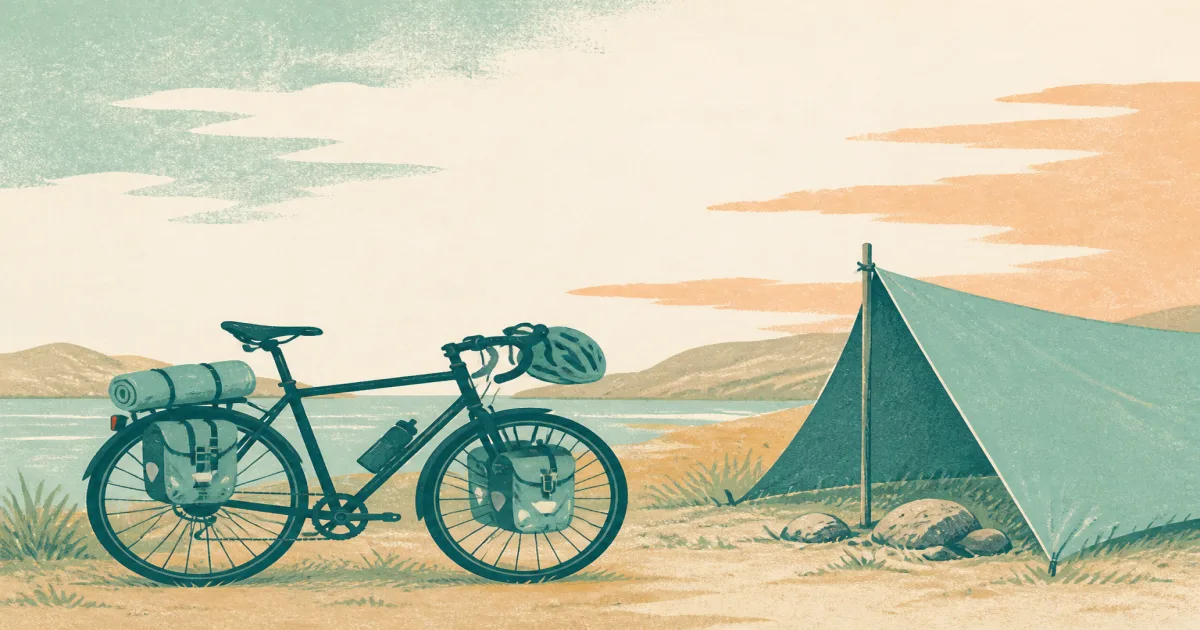
The short answer: Bikepacking insurance is usually a test of your existing bicycle policy rather than a separate product. UK riders should check theft away from home, overnight storage, bags, transit and off-road use before leaving. This guide is for pedal cycles, not motorbikes.
Bikepacking turns a familiar bicycle into a small travelling home. That brings risks that a short ride does not: a bike outside a pub overnight, a frame in a train space, bags full of kit and routes that may include gravel or remote tracks.
Start with away-from-home cover
Check whether theft and accidental damage apply outside your home address, and whether the answer changes overnight. A policy that works for a daytime coffee stop may limit parking at campsites, hostels or station racks.
Read the definition of “attended”. Being near a tent is not always the same as having the bike under direct supervision. If the schedule is vague, get the insurer’s answer in writing before a long trip.
Plan storage at every stop
Bikepacking often involves a mixture of campsites, B&Bs, bothies, train stations and friends’ garages. Each setting has different security. Ask accommodation providers about a locked indoor room instead of assuming a fence or porch is acceptable.
Take the lock your policy requires and use it through the frame and a fixed anchor where possible. Our bike insurance lock requirements guide helps you translate the schedule into a routine.
Separate the bike from the kit
Panniers, handlebar bags, tents, cameras and tools may not all sit inside the bicycle’s declared value. A cycle policy can cover the frame while a travel policy handles personal belongings, although both can have exclusions.
List expensive accessories where your insurer permits it. Keep purchase evidence and a few photos of the loaded bike in cloud storage, because a missing bag can take receipts with it.
Check terrain and transport wording
Bikepacking routes often include bridleways, forest roads and gravel. Confirm that your policy permits the kind of off-road leisure riding you plan. Competitive events and organised races may need a different answer.
For rail, ferry or airline legs, read transit conditions. Bikes in a luggage space can have packing rules or supervision requirements. Bicycle travel insurance covers the wider holiday and transport questions.
Before you leave
Update the bike’s declared value for fitted racks, lights and bags. Save your policy number, the claims contact and the serial number. Check territorial limits if your ride leaves the UK.
Bikepacking should feel like an adventure, not a search through small print after a loss. Browse related Pedly guides on the blog, including touring bike insurance, bike theft prevention, and bicycle insurance.
Frequently Asked Questions
Does bike insurance cover bikepacking?
It can, but you need to check the away-from-home, overnight storage and off-road wording in the policy. A day-ride assumption may not fit a multi-night trip.
Are bikepacking bags insured?
They may have separate accessory or personal-belongings limits. Check whether bags and their contents are covered, and in which circumstances.
Is bikepacking insurance motorcycle cover?
No. This guide is about pedal bicycles only. Motorcycle insurance follows different legal and policy rules.