Bike Insurance Lock Requirements: A UK Guide for Cyclists
UK bike insurance lock requirements explained: how to match your lock, anchor point and storage routine to the policy you actually hold.
By Amira Khan
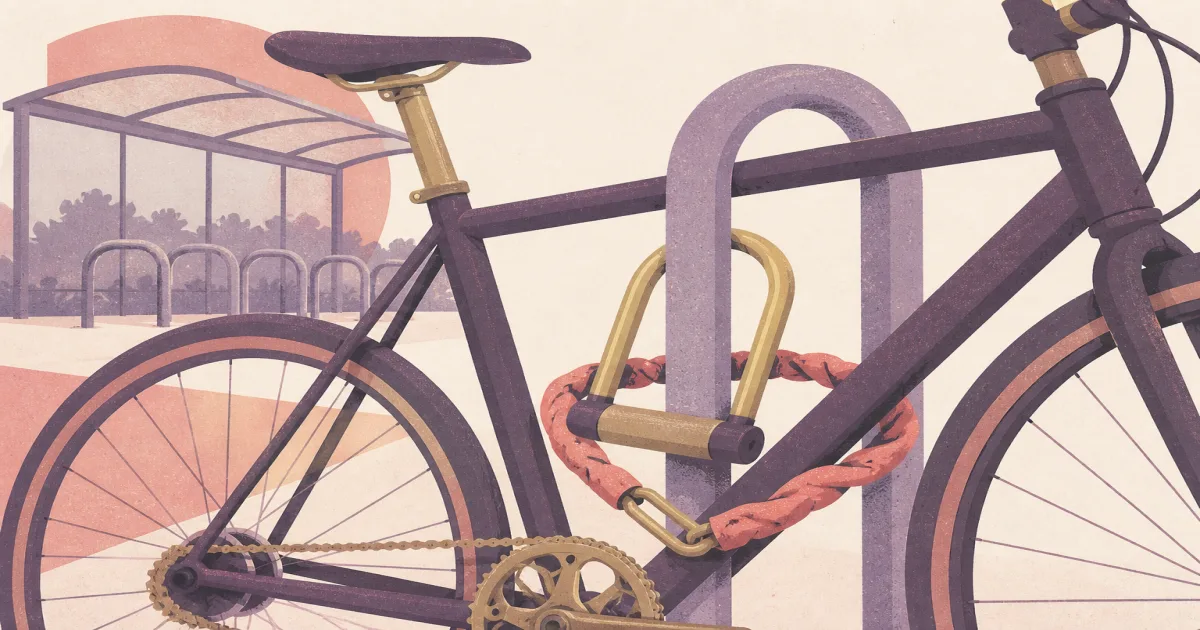
The short answer: Bike insurance lock requirements are the theft conditions in your policy, not a universal shopping list. For UK pedal bicycles, check the required lock standard, how it must be used and the storage rules. Then carry that lock every time you park.
Most theft arguments are not about whether a cyclist owned a lock. They are about whether the lock met the policy requirement and whether it was used on the frame and an acceptable anchor. The wording matters more than a product review.
Find the exact policy condition
Look in the theft, security or general conditions section of the schedule. It may specify a Sold Secure rating, describe a “suitable locking device”, or set different requirements by bike value and location.
Do not borrow a condition from a friend’s insurer or an old policy. Requirements change between providers and sometimes at renewal. If the wording is unclear, ask the insurer for a written answer before a theft happens.
Lock the bike and the anchor
A strong lock does little if it only secures a quick-release wheel. In most public situations, put the main lock through the frame and a fixed object that cannot be lifted or unbolted. Add a second lock or secure axle for a removable wheel.
Check the stand as well as the lock. A loose signpost, a short rail or a damaged Sheffield stand creates a weak point that can undermine an otherwise sensible setup.
Treat storage as part of security
The required lock can differ between a café stop, a workplace rack, a communal bike room and a garden shed. Some policies have a stricter overnight rule or do not cover public overnight storage at all.
Home contents policies often have separate conditions for sheds and garages. See does home insurance cover bikes before assuming your household policy uses the same standard as specialist cycle cover.
Keep proof before you claim
Photograph the lock, record its make and model, and keep the purchase receipt. Keep a photo of the bike's serial number and any registration record too. This does not guarantee a claim, but it makes it easier to answer the insurer’s questions.
After theft, report it promptly and write down how the bike was secured, including the anchor and time left unattended. Our bike register guide covers ownership evidence that can support this process.
Build a routine you can maintain
The best lock setup is one you use on a rainy five-minute stop as well as a long workday. Buy a lock that meets your policy and is practical to carry. If your route includes high-risk parking, add a second lock rather than relaxing the policy condition.
Browse related Pedly guides on the blog, including bike theft prevention, bicycle insurance policies, and bicycle insurance claims.
Frequently Asked Questions
Do bike insurers require a specific lock?
Many do. The schedule may name a Sold Secure grade, a minimum spend or another standard. Check your own wording before relying on a lock.
Do I need to lock both wheels?
Policies vary. Secure the frame to an immovable object first, then protect removable wheels in the way your policy requires.
Can a tracker replace a lock for insurance?
Usually not. A tracker may aid recovery but does not normally replace a stated lock condition.