Fat Bike Insurance: Cover for Wide-Tyre Pedal Cycles in the UK
UK fat bike insurance for wide-tyre pedal cycles: what to check for theft, accidental damage, beach or snow leisure use, and gaps that home contents often leave.
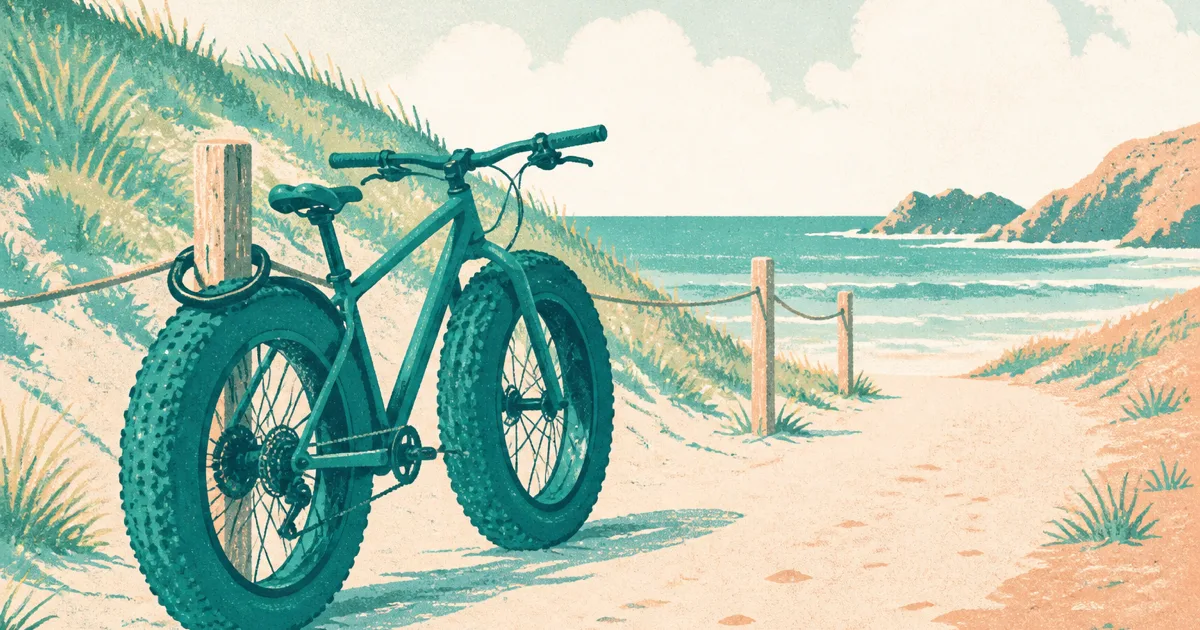
The short answer: Fat bike insurance in the UK is normally specialist pedal-cycle cover for a wide-tyre bike: theft, accidental damage, and clear permission for soft-surface leisure riding. It is not motorcycle insurance. Check beach, snow, and trail use, declared value, and away-from-home storage before you rely on a road-only schedule.
Fat bikes look like mountain bikes that swallowed a set of tractor tyres. They roll over sand, snow, and rough trails where narrower rubber sinks. Fat bike insurance questions usually boil down to whether a standard cycle policy treats that soft-surface mix as allowed leisure use.
This guide covers pedal fat bikes only. If search results push motorcycle comparison sites, ignore them. Engine size and compulsory third-party motor cover have nothing to do with a fat bike locked outside a beach café.
Our bicycle insurance pillar explains UK cycle cover overall. Below we focus on fat-bike friction points: soft-surface wording, component value, and theft patterns that differ from road commuting.
What makes fat bikes a distinct insurance risk
Fat bikes often carry specialised rims, hubs, and tyres that cost more than casual buyers expect. Declared value should reflect the bike as ridden, not a half-remembered sale price from a winter promo.
Soft surfaces change crash and damage patterns. Sand, snow crust, and hidden ruts produce tip-overs and bent hangers that look different from smooth tarmac spills. Accidental damage wording matters as much as theft.
Riders leave bikes unattended at beach car parks, forest trailheads, and ski-centre racks. Away-from-home cover and lock conditions apply with full force in those spots.
Some fat bike events blur into racing or endurance challenges. Timed winter races may fall under competition exclusions even if your Sunday beach loop does not. Confirm event definitions before you pin a number.
Soft-surface leisure vs mountain bike exclusions
Not every “leisure cycling” policy contemplates sand dunes and snow tracks. Some older or narrow schedules assume road and cycle path use only. Ask whether soft-surface and off-road leisure riding on a fat bike is included.
Mountain bike insurance guides often discuss trail centres, drops, and bike-park features. Pure fat bike beach or snow riding is usually milder, but shared exclusions around competitive downhill or freeride can still appear in small print.
If you mix fat bike days with proper MTB trail centres on the same bike, say so. A policy that allows forest fire roads but excludes technical mountain trails needs an honest use description.
Gravel bike insurance covers mixed-surface drop-bar riding. Fat bikes share the off-road leisure question, then add beach and snow specifics gravel schedules may never mention.
Theft patterns for fat bikes
Fat bikes are distinctive, valuable, and still uncommon enough to attract attention at coastal and trail car parks. Treat café stops and beach access points as high-risk unattended moments.
Use locks that meet your schedule’s rating, through the frame and preferably a wheel. Fat tyres do not make the bike harder to steal; they make it more noticeable on a roof rack.
Vehicles and roof racks create transit claims. Confirm whether the bike must be out of sight in a car, how roof or tow-bar racks are treated, and what applies at service-station stops after a beach day.
Indoor storage at home still helps claims and sometimes premium. Shared hallways and unlocked sheds are weak points. Our bike theft prevention guide pairs practical habits with typical insurer expectations.
Declared value, wide rims, and winter kit
List rims, hubs, studded tyres, and racks you would replace. Fat wheelsets alone can move a claim outcome if they were never declared.
Lights, GPS units, and winter clothing packed on the bike may sit as accessories with separate limits. Read accessory caps before you assume everything is inside the main sum insured.
New-for-old versus market value settlement changes payouts on specialised parts with thin second-hand markets. Know which basis your schedule uses before you compare premiums on price alone.
Mid-life upgrades should trigger a mid-term update. Silent upgrades are a common underinsurance trap when a summer beach bike gains a winter studded setup.
Fat bike vs mountain and gravel wording
Many insurers use one specialist cycle product across MTB, gravel, and fat bikes. The paperwork still needs an accurate use description. “Mountain bike leisure” is not automatically “beach and snow leisure.”
If your documents only mention road and track cycle paths, seek written confirmation for beaches, snow, and soft trails. Email confirmation is safer than a verbal assumption at a shop counter.
Commuting on a fat bike through winter cities is common in some UK towns. Confirm commuting and overnight work storage if you use the same bike for the office and weekend sand rides.
Racing exclusions can catch fat bike endurance events and timed winter challenges. Leisure cover is not automatic permission for every organised ride with a start list.
Home contents gaps for fat bike owners
Home contents single-item limits often sit below modern fat bike replacement costs. Away-from-home theft is frequently limited or excluded. That combination pushes serious owners toward specialist cycle cover.
Contents policies also rarely cover accidental damage while riding on sand or snow. A cracked rim after a beach tip-over is a cycle-policy question, not a household contents one.
If you own multiple bikes, check whether one specialist policy can schedule several cycles or whether you need separate sums. Household multi-bike setups are easy to under-declare.
See what does cycle insurance cover for how theft, damage, and liability sections typically combine on UK schedules.
Choosing cover that matches how you ride
Write down your real mix: beach loops, snow trails, forest tracks, commuting, and any timed events. Match policy use to that list before you buy.
Prioritise accidental damage and away-from-home theft if you ride soft surfaces weekly. Lean theft-only cover can leave expensive wide rims exposed after a simple tip-over.
Add public liability if you share busy coastal paths and promenades. Pedestrians, dogs, and kite-surfers appear as often on beach tracks as on city streets.
Revisit cover when the bike’s role changes: a fat bike that becomes a winter commuter needs commuting and storage wording checked again.
Coastal, snow, and multi-day trips
Beach days blend salt, sand, and car-park theft risk. Rinse habits help the bike; lock habits help the claim.
Snow and frozen trails raise crash exposure and sometimes event exclusions if you enter organised winter rides. Confirm leisure versus competition wording before race day.
Multi-day fat bike trips add touring-style storage questions. Hotel sheds, bothies, and campsite racks need the same overnight checks touring riders already know.
Train stages between coastal sections put the bike in reserved cycle spaces. Confirm transit conditions so a station theft does not fall into a wording gap.
Comparing fat bike quotes without motorcycle noise
Search results for “bike insurance” still surface motorcycle products. Open only quote journeys that ask for pedal cycle details, frame value, and lock type, not engine size.
Compare accidental damage, soft-surface leisure permission, overnight away-from-home rules, and accessory limits before you rank monthly prices. A cheap schedule that bans beaches is useless for a fat bike.
Keep receipts and serial numbers ready. Fat bike builds change with seasons; insurers settle faster when upgrade evidence is tidy.
Photograph the bike after each major upgrade so claims handlers can see what was fitted. A short ownership folder on your phone is enough for most UK specialist claims processes.
Soft next steps
Browse related Pedly guides on the blog, including bicycle insurance, mountain bike insurance, gravel bike insurance, and bike theft prevention.
Frequently Asked Questions
Do I need separate fat bike insurance?
Usually no. Most UK riders insure fat bikes on specialist pedal-cycle policies. The important checks are off-road leisure wording, accidental damage, declared value, and theft away from home.
Is fat bike insurance different from mountain bike insurance?
Products often overlap. Mountain bike schedules may assume trail-centre use. Fat bike riders should still confirm beach, snow, and soft-surface leisure riding is allowed, especially on policies written for gentle road leisure only.
Does fat bike insurance cover crash damage on sand or snow?
Accidental damage sections may cover falls if the riding type is within policy use. Competitive downhill or bike-park features can sit outside leisure fat bike cover. Read definitions carefully.
Will home insurance cover my fat bike?
Only within contents rules. High-value fat bikes and bikes stored overnight away from home often exceed or fall outside those limits. Specialist cycle cover is the usual answer for serious fat bikes.
Are wide rims and studded tyres included?
Only if they sit inside declared value or listed accessories. Fat rims, studded winter tyres, and racks change replacement cost. Update the insurer when you upgrade.
Is fat bike insurance the same as motorcycle cover?
No. Fat bike insurance is for pedal cycles with oversized tyres. Motorcycle products cover powered two-wheelers and do not insure your fat bike frame.