Bicycle Accident Claim: What to Do and What Insurance Actually Pays
How a bicycle accident claim actually works in the UK: reporting steps, evidence that matters, and the difference between claiming for your own bike and a third-party injury or property claim.
By Amira Khan
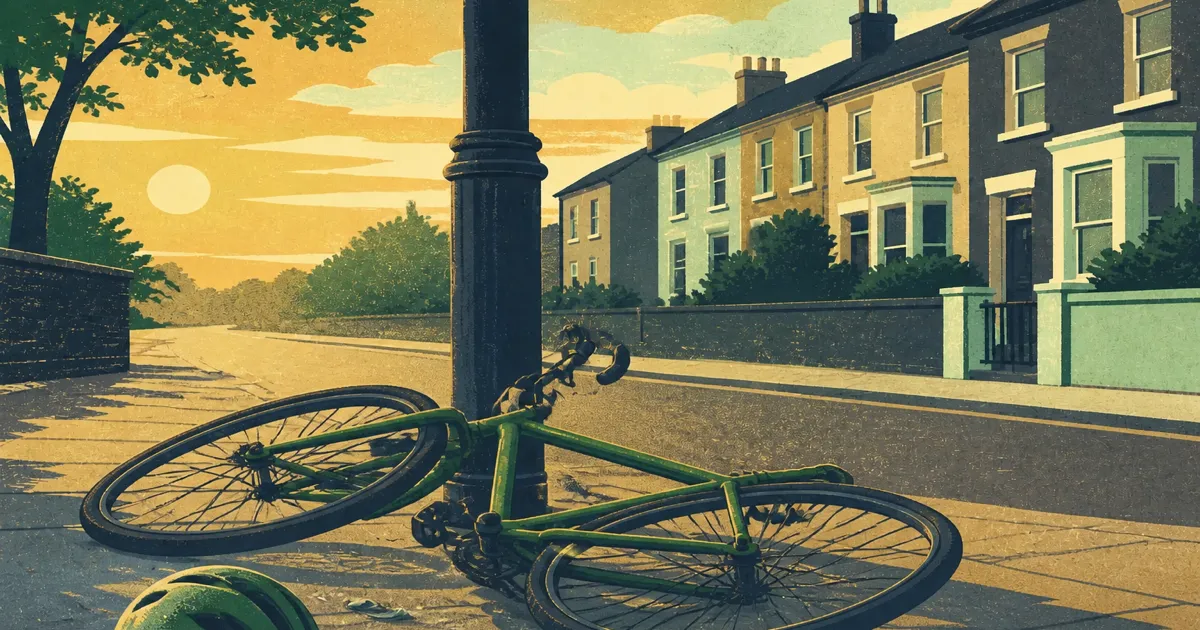
The short answer: A UK bicycle accident claim covers damage to your own bike, or a liability claim against or from a third party after a crash. Reporting promptly, photographing the scene, and knowing whether you need your own cycle policy or a liability route both matter. This is practical guidance, not legal advice.
Searching bicycle accident claim usually means something has already gone wrong: a fall, a collision with a car, or a dispute with another road user. This guide sets out the practical steps for pedal cyclists in the UK, not motorbikes, and explains the difference between claiming for your own bike and pursuing a third party.
Nothing here is legal advice. For injury claims, disputed fault, or anything involving a solicitor, speak to a qualified adviser. What follows is the groundwork: what to do at the scene, what insurers expect, and how the claim types differ.
Our bicycle insurance pillar explains what dedicated UK cycle cover typically includes. This guide focuses specifically on the accident claim process rather than the policy overview.
Bicycle accident claim vs bike theft claim
A theft claim starts with a missing bike and usually needs a crime reference number, lock details, and proof of ownership. An accident claim starts with a collision, fall, or near-miss that caused damage or injury, and the evidence you need looks different.
Some incidents overlap. A bike damaged in a hit-and-run and abandoned by the culprit can raise both accident and reporting questions at once. Treat each strand separately: document the damage as an accident claim, and report any criminal element to the police regardless of whether you expect a theft-style payout.
Our bike theft prevention guide covers the theft side in detail, including lock standards insurers expect. This article stays focused on crashes, falls, and collisions.
What to do immediately after a cycling accident
Check for injuries first, yours and anyone else involved. Call emergency services if anyone is hurt or if the incident involves a vehicle and needs reporting. Move to safety if the road is still dangerous, but try not to move a damaged bike more than necessary before you photograph it.
Exchange details with any other party: name, contact information, and vehicle registration if a car or motorbike was involved. Note the exact location, time, and weather conditions while they are fresh in your memory.
Photograph the scene from multiple angles, including your bike, any other vehicle, road markings, and visible damage. If witnesses are present, ask for a name and phone number before they leave. Written witness accounts fade fast once people walk away.
If the police attend or you report the incident later, keep the crime or incident reference number somewhere safe. Insurers and any third party's representatives will ask for it.
Claiming for damage to your own bike
If nobody else was at fault, or you simply want to repair your own bike, this usually runs through your cycle insurance policy rather than a liability claim. Accidental damage sections typically cover crash damage, subject to excess and declared value.
Report the damage promptly and provide photos, a repair estimate, and receipts for the bike if you have them. Insurers may ask how the accident happened even for a straightforward fall, since some policies exclude racing or certain riding conditions.
See what does cycle insurance cover for a full breakdown of accidental damage inclusions and exclusions, since not every policy treats crash damage the same way.
When a third party is involved: liability and injury
If another road user caused the accident, you may have a claim against them for your injuries, your bike, and any other losses such as damaged kit or lost earnings. This typically runs through their insurer or, for uninsured or untraced drivers, through the Motor Insurers' Bureau where a motor vehicle was involved.
If you caused damage or injury to someone else while riding, a third-party bicycle liability claim may follow against you. Our third party bicycle insurance guide explains how that optional liability cover works for pedal cyclists.
Fault is not always clear-cut. Contributory negligence, disputed accounts, and missing evidence can complicate what looks like an obvious case. This is exactly the situation where independent legal advice is worth seeking rather than relying on a blog guide.
Why specialist cycle cover matters more than people expect
Home contents policies rarely include liability cover for cycling incidents, and they may treat crash damage to your own bike differently from a dedicated cycle policy. A single-item limit can also cap what a home claim pays toward a written-off frame.
Specialist cycle insurance is usually built around theft, accidental damage, and optional liability together, with wording written for how cyclists actually ride and crash. That does not remove the need for good evidence at the time of the accident, but it usually makes the claim process clearer.
If you are still deciding between relying on home cover or buying dedicated cycle insurance, our bicycle insurance pillar explains the gaps that catch cyclists out most often.
Reporting and record-keeping that actually helps
Report incidents to the police when required, particularly if a vehicle was involved or if you need a reference number for an insurer. Keep every document together: photos, witness details, repair quotes, and correspondence with any insurer or third party.
Write a short account of what happened while memory is fresh, even if you never end up needing it. A same-day note beats a reconstructed memory months later when a claim is disputed.
If symptoms of injury appear later, such as delayed pain or concussion signs, seek medical attention and keep records of that too. Medical evidence supports both your own wellbeing and any claim that follows.
Common mistakes that weaken a bicycle accident claim
Leaving the scene without exchanging details is one of the most common and most costly mistakes, especially when a collision with a vehicle looks minor at first but turns out to involve hidden frame damage or a delayed injury. Get details before anyone drives off, even if everyone seems fine.
Assuming fault is obvious can also backfire. What feels like a clear-cut case to you may look different once a third party gives their own account, so gather your own evidence rather than relying on the other party's version being accepted automatically.
Delaying a report to your insurer or to the police, when a report is appropriate, can weaken a claim even when the underlying facts are strong. Insurers sometimes ask why notification took weeks rather than days, and a vague answer does not help your case.
Cycling accidents involving pedestrians or other cyclists
Not every bicycle accident claim involves a motor vehicle. Collisions with pedestrians on shared paths, or with other cyclists at busy junctions, follow the same basic evidence-gathering principles: photos, witness details, and a prompt account of what happened.
Liability in these situations can be harder to establish than in a straightforward road collision, since there may be no independent camera footage and fewer clear traffic rules governing the exact situation. This is another scenario where seeking independent advice, rather than assuming an outcome, protects you.
If you caused injury to a pedestrian or another cyclist, your own third-party liability cover, where you hold it, becomes directly relevant. Review the third party bicycle insurance guide to understand how that cover responds in practice.
Soft next steps
Browse related Pedly guides on the blog, including bicycle insurance, what does cycle insurance cover, third party bicycle insurance, and bike theft prevention.
Frequently Asked Questions
What is a bicycle accident claim?
A bicycle accident claim is a request for compensation or repair costs after a crash or collision involving a pedal cycle. It can mean claiming on your own cycle policy for damage to your bike, or pursuing a third party who caused injury or property damage.
Is a bicycle accident claim the same as a bike theft claim?
No. Theft claims cover a stolen bike. Accident claims cover crash damage, injury, or liability arising from a collision or fall. Some policies handle both, but the evidence and process differ.
Do I need a solicitor for a bicycle accident claim?
Not always. Straightforward claims against your own insurer for bike damage rarely need one. Claims involving injury, disputed fault, or a third party often benefit from independent legal advice, which this guide does not replace.
Does home insurance cover a bicycle accident claim?
Sometimes for damage to your own bike at home, subject to single-item limits. Home policies rarely include liability cover for injuring someone else while cycling. Check your schedule rather than assuming.
What evidence helps a bicycle accident claim?
Photos of the scene, the bikes involved, and any visible injuries. Witness names and contact details. A police reference number if reported. Dashcam or helmet-camera footage where available.
How long do I have to make a bicycle accident claim in the UK?
Time limits vary by claim type and whether a third party is involved, and can run to several years for personal injury. Do not wait to gather evidence even if you are unsure whether you will claim.